- Power washing uses heat to break down tough grime, while pressure washing uses strong water flow for regular cleaning.
- Different surfaces need different methods, so you pick based on the type of buildup and how the material reacts.
- Professional cleaning gives safer results because trained teams choose the right tools and protect the surface.
Keeping surfaces clean—whether around homes, businesses, or on vehicles—can feel like a constant task. Dirt, grime, algae, mildew, salt, and stains settle deeper than most people expect. Regular scrubbing helps a little, but once the buildup hardens, you need stronger methods.
That’s where pressure washing and power washing come in. They sound similar, but they use different techniques, work on different surfaces, and deliver different results. Picking the wrong one can waste time or cause damage.
In this blog, we break down how each method works and help you understand which option suits your job best.
What Is Pressure Washing?
Pressure washing relies on high-pressure water to clean surfaces. There’s no added heat involved. The force of the water alone does the work.
How It Works
Water is pushed through a pump and out of a narrow nozzle. When the water exits, it hits the surface with strong force, lifting dirt, loose paint, algae, and grime. Different nozzles change the shape and intensity of the spray, allowing more control depending on the surface.
What Makes Pressure Washing Useful
- It removes loose dirt quickly.
- It clears away surface-level grime without chemicals.
- It works well for materials that don’t need heat.
- It’s suitable for regular maintenance around homes and buildings.
Best Uses for Pressure Washing
Pressure cleaning works best for:
- Concrete driveways
- Sidewalks and walkways
- Stone patios
- Brick walls
- Fences
- Metal surfaces
- Decks (with proper PSI and a gentle nozzle)
These surfaces are sturdy enough to handle strong water pressure without breaking or etching.
Where Pressure Washing Doesn’t Fit
Some materials can be damaged by high pressure. For example:
- Older wood
- Painted surfaces
- Soft siding
- Thin vinyl
- Delicate finishes on boats or RVs
Using high pressure on fragile materials can strip paint, leave marks, or force water beneath layers. In those cases, other washing methods or a lower PSI setting work better.
What Is Power Washing?
Power washing uses the same amount of pressure as pressure washing, but with one major difference: the water is heated. This single change makes a big impact on the cleaning process.
How the Heat Helps
Hot water breaks down stubborn grime, grease, oil, and organic buildup much faster than cold water. When heat and pressure combine, the results are quicker and better.
Typical Temperature Range
Many power washing systems heat water to temperatures that cut through sticky residues and kill certain types of growth. The heat loosens dirt at a structural level, so surfaces don’t need excessive water pressure.
Best Uses for Power Washing
Power cleaning is ideal for areas where grime sticks tightly:
- Grease-covered concrete
- Oil stains
- Salt buildup on driveways or vehicles
- Mold or mildew patches
- Heavily weathered surfaces
- Boat bottoms (depending on coating type)
- RV exteriors with deep-set grime
Heat speeds up the cleaning process and produces a more polished finish on tough stains.
Where Power Washing Shouldn’t Be Used
Not all materials react well to heat. Avoid power cleaning on:
- Delicate wood
- Painted surfaces that might bubble
- Thin vinyl siding
- Surfaces prone to warping
- Coatings that are heat-sensitive
Heat can cause some materials to expand or weaken, so choosing the right method is important.
Key Differences Between Power Washing and Pressure Washing
Even though both systems use forceful water, their biggest difference—temperature—changes how effective they are on different surfaces.
Heat vs Non-Heat
Power washing uses hot water, whereas pressure washing uses cold water. Heat gives an advantage on oily or stubborn stains because it loosens dirt from the inside.
Cleaning Strength
Power cleaning is stronger when tackling:
- Grease
- Salt
- Mold
- Mildew
- Embedded stains
Pressure washing handles:
- Loose dirt
- Dust
- Light stains
- General maintenance
Suitable Surfaces
Pressure cleaning suits most everyday outdoor materials. Power cleaning suits tougher, thicker materials that can handle heat.
Risks
Power washing can damage some surfaces through heat. Pressure washing can damage surfaces through force if the PSI is too high.
Knowing these differences helps you choose the right approach without trial and error.
When to Choose Pressure Washing
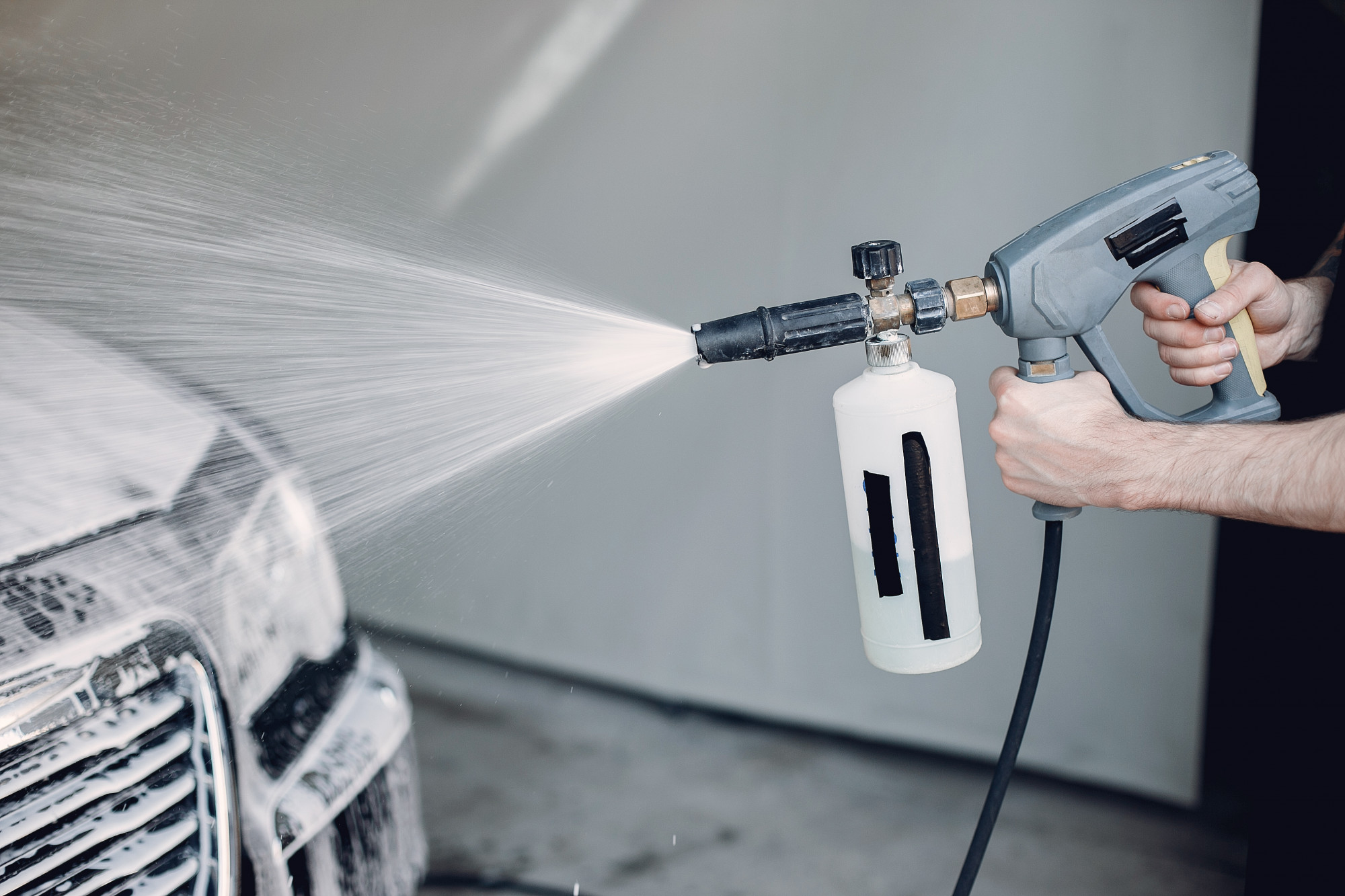
Because pressure washing focuses on strong water flow rather than heat, it fits many general cleaning tasks. Use it when surfaces need a deep rinse or when dirt sits on the upper layer.
Best Situations for Pressure Washing
- Regular Maintenance: Use it to refresh patios, driveways, decks, siding, and walkways.
- Surface Cleaning Before Painting: It clears debris and creates a better base.
- Washing Outdoor Furniture: It works well on metal or sturdy plastic.
- Rinsing Boats or RVs with Light Dirt: For surfaces without heavy buildup.
- Seasonal Cleaning: Perfect for annual or twice-a-year washing.
When Pressure Washing Isn’t the Right Choice
Avoid pressure cleaning when:
- The surface has peeling paint that you want to preserve.
- You notice soft wood that feels brittle.
- The area has deep oil stains.
- Mold has grown into the pores of the material.
- There is salt buildup from coastal exposure.
In these cases, you need either heat or a softer method.
When to Choose Power Washing
Power washing shines when dirt isn’t just sitting on the surface but has become part of it. Heat loosens grime that cold water struggles to touch.
Best Situations for Power Washing
- Oil-Soaked Concrete: Driveways near garages and workshops often need heat to cut through oil.
- Grease-Covered Surfaces: Restaurant walkways, grill areas, or auto-related spaces benefit from power cleaning.
- Salt Removal: Salt sticks tightly and corrodes surfaces. Heat clears it efficiently.
- Mold and Mildew Growth: Hot water helps weaken organic growth so the dirt lifts easily.
- Heavily Weathered Boats or RVs: Thick dirt layers break down faster with heat.
- Cold Climates or Moist Areas: Hot water works well when grime thickens during cold or damp months.
When Power Washing Isn’t the Right Option
Skip power cleaning when:
- The surface reacts poorly to heat.
- You’re dealing with soft materials.
- The paint layer is thin or fragile.
- The surface has protective coatings that might soften with heat.
Knowing when not to use heat keeps your surfaces in good shape long term.
Safety Considerations for Both Methods
Whether you choose pressure washing or power washing, both methods require care. Water coming out at high force can cut through soft materials, peel paint, or strip coatings that are meant to protect the surface. Hot water adds another layer of risk because it reacts differently with metal, plastic, and treated finishes.
Equipment Risks
- High PSI levels can break delicate surfaces.
- Hot water from power cleaning can cause burns if it comes in contact with the skin.
- The wrong nozzle can create dents, lines, or uneven marks.
- Cheap or worn-out equipment can spray inconsistently, leading to streaking.
Surface-Related Risks
- Water can seep under siding, trim, or gaps, causing moisture problems.
- Overcleaning can wear away clear coats, wax, sealant, or paint.
- Heat can warp vinyl, soften plastics, or discolor coatings.
- Buildup may lift suddenly when pressure is too high, leaving the surface patchy.
Personal Safety Tips
- Wear protective eyewear and gloves.
- Start with low pressure and increase only if needed.
- Keep a steady distance from the nozzle instead of pressing it too close.
- Test a small area before cleaning a whole surface.
- Avoid ladders when using high pressure, since the recoil can throw off balance.
- Never point the nozzle toward yourself or anyone else.
DIY vs Professional Work
Many homeowners try DIY washing, but the learning curve can be steep. Lack of experience can break a surface, crack a coating, or drive water where it shouldn’t go.
Professionals reduce these risks because they handle different surfaces every day. They understand how wood, metal, concrete, and fiberglass react under pressure or heat. They also use commercial-grade tools that give controlled results. This leads to a cleaner finish, fewer mistakes, and less chance of long-term damage.
Why Professional Exterior Cleaning Matters
At Final Details LLC, we know most surfaces look worn because grime settles deep into pores, not because the material is old. When we clean boats, RVs, trailers, and driveways, we see how much buildup hides where regular cleaning can’t reach.
We choose our method based on the surface, the level of debris, and how the coating reacts. Some jobs need heat; others need controlled pressure. We never use an approach that could warp, strip, or damage the material.
Many clients try cleaning on their own and end up spending more time or accidentally harming the surface. Our equipment, techniques, and experience prevent that. We focus on effective cleaning that protects the material and helps it last longer.
When we handle a project, we treat the surface with the same care we expect for our own property.
The Bottom Line
Choosing between power washing and pressure washing depends on the dirt you’re dealing with, the strength of the surface, and how deep the stains sit. Power cleaning handles grease, oil, salt, mold, and deep buildup. Pressure cleaning works well for general maintenance and routine cleaning of most outdoor materials. Picking the right method keeps your surfaces clean without risking unnecessary damage.
Ready to clean your boat, RV, or outdoor surfaces? If you’re not sure which technique fits your surface, working with a professional helps you get the best results the first time. Contact us at Final Details LLC today. Tell us what you need cleaned, and we’ll guide you toward the right method!